
Wildlife And Human Life, Together.


Bundle & Save This Summer
Our Wild After Hours adult-only experiences for Summer & Fall 2024 are now for sale. Get ready for a zoo-nique time!
Something Big (& New) is at the Zoo
Wild Canada
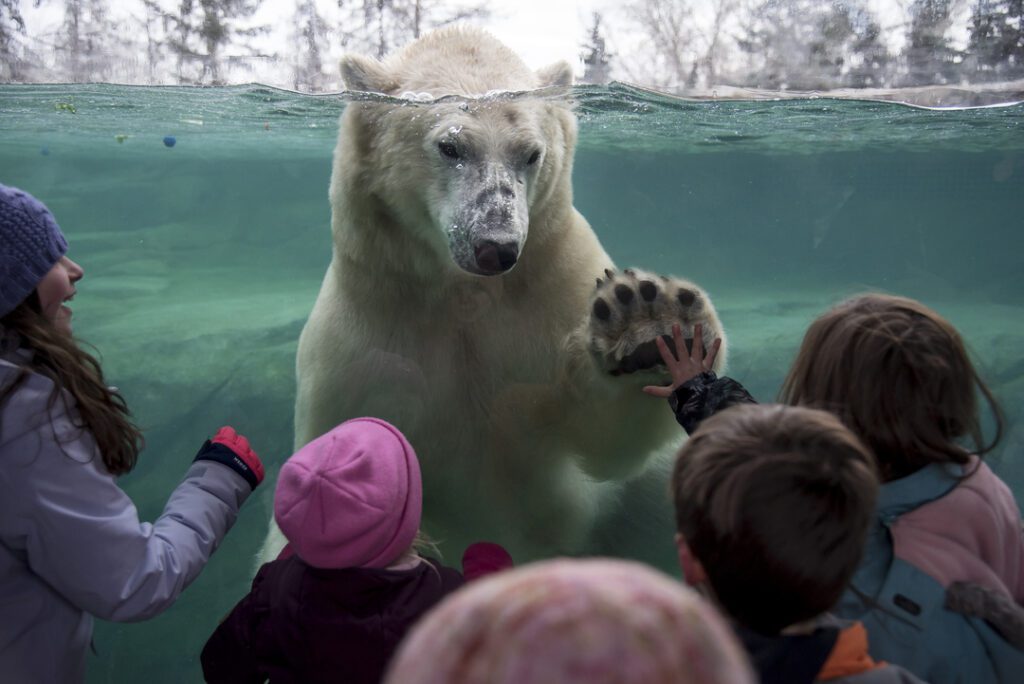
From the size of the habitats to the 12-inch-wide pawprint of the polar bears, Wild Canada is BIG. And in Wild Canada, even the smallest animals make a BIG impact. Visitors of all ages are sure to have BIG feelings when entering into their world.
We welcome you to take a journey through seven of Canada’s ecological zones, celebrating the wonder and diversity of a world where people, animals, and the land are connected.
2023 Unfolded
Community Report
We’re taking a moment to look back at some of the BIG wins of last year with our new 2023 Community Report! This stunning and interactive report invites you to UNFOLD the pages and embark on a visual journey through the highlights of our record-setting year.

Explore our Adult-Only Experiences
Wild After Hours
The zoo comes alive at night with Wild After Hours (adults-only) events. Whether you’re looking for a romantic night out or a wild night of adventure with friends, one thing is certain – a visit to any Wild After Hours event is sure to be a night to remember. So don’t miss out – join us for some zoo-nique fun!
Buy two events and save 10%, buy three or more and save 15%.
Zoo Map
Getting Around
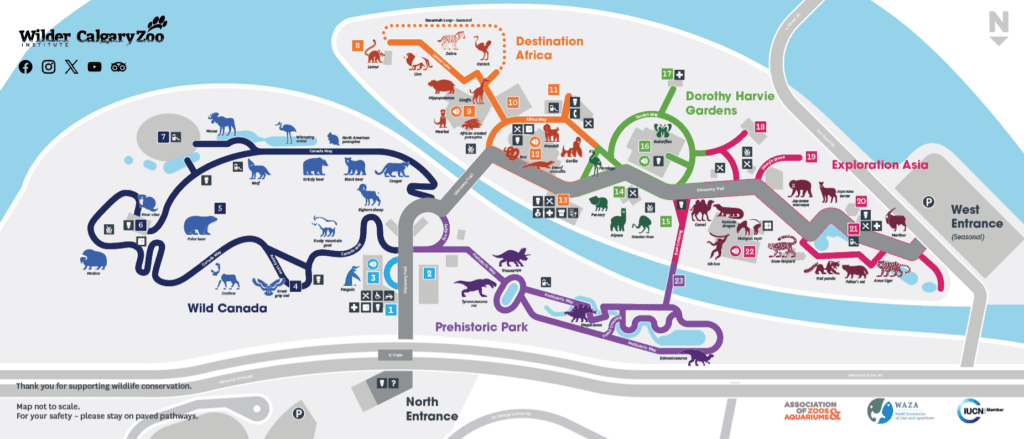
Join us on our sustainability mission with our digital map.
Important zoo updates
What you need to know
Temporary Closure: Jihad Shibley Rocky Mountain Aviary
The Jihad Shibley Rocky Mountain Aviary is presently closed.
Why the closure? It’s nesting season for our owls! Our great grey owls, especially the younger members of our parliament, can become protective of their nests and territory during this time.
To support their natural behaviors and prioritize safety for both our birds and visitors, we’re taking a proactive step by temporarily closing the habitat. Thank you for your understanding.
Early Building Closure, ENMAX Conservatory: May 15
The ENMAX Conservatory will be closing at 4:00 p.m. on Wednesday, May 15th to facilitate setup for an event. Thank you for your understanding.
Building Closure, Penguin Plunge: February 20 to May 17
Penguin Plunge will be closed from February 20 through to May 17, 2024, while we complete upgrades to the building’s mechanical systems to ensure the building is in tip-top shape for the four species that call it home. Penguins will be viewable outdoors only* during this time (*weather permitting). Thank you for your understanding.
Our Wild Journey Membership Program Has Arrived
To simplify our membership program, we’re moving to a two-tiered structure – Wild Explorers and Wild Adventurers. The difference between the two? It’s all about the perks you receive.
Please click here for a comprehensive program overview and answers to frequently asked questions.
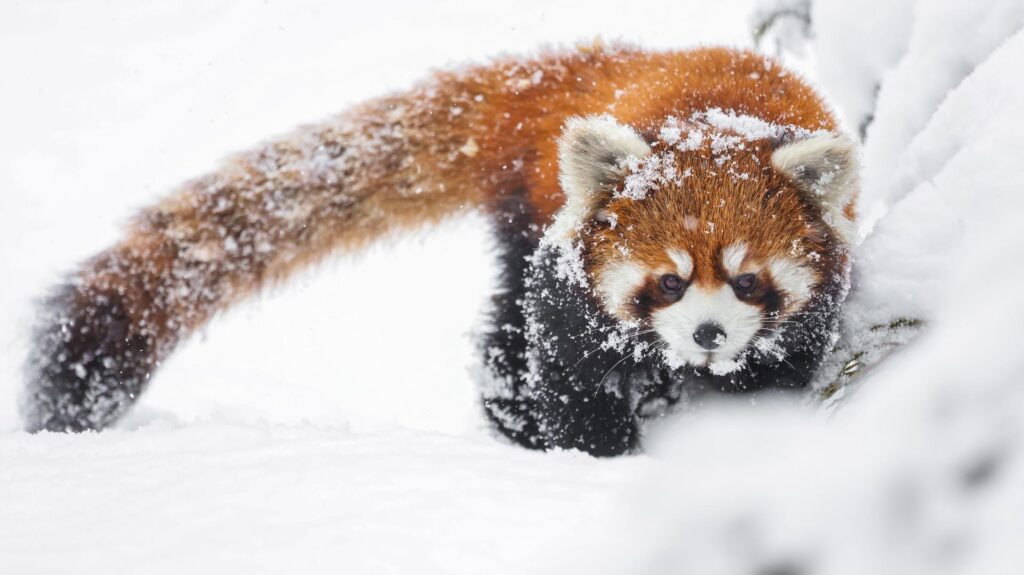
Plan your visit
Get Up Close With Wildlife
It’s time to make some memories. Everything you need to know about tickets, parking, our animals, and more to plan an unforgettable day at the zoo can be found here.
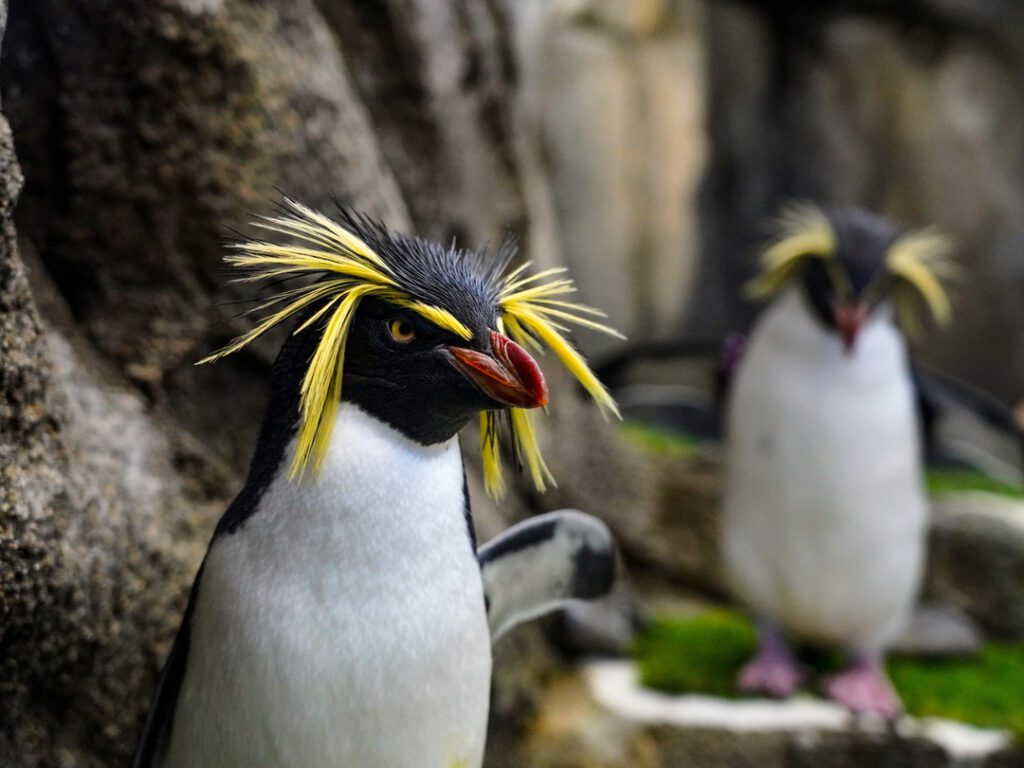
Memberships
New Membership Program
To simplify our membership program, we’re moving to a two-tiered structure – Wild Explorers and Wild Adventurers. Discover your new membership and sweet, sweet perks.
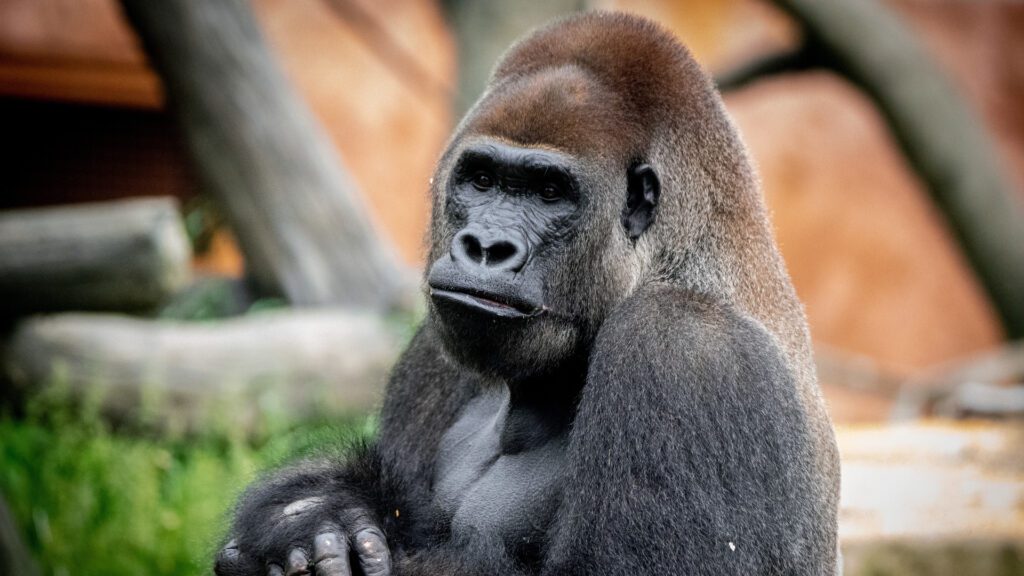
Animal Zones
Discover Our Animals
From Penguin Plunge to Exploration Asia, our animal zones are home to over 100 species.
Events
Find What’s On Now
Whether you’re into brunch or seeing the zoo after hours, there’s an experience for everyone.
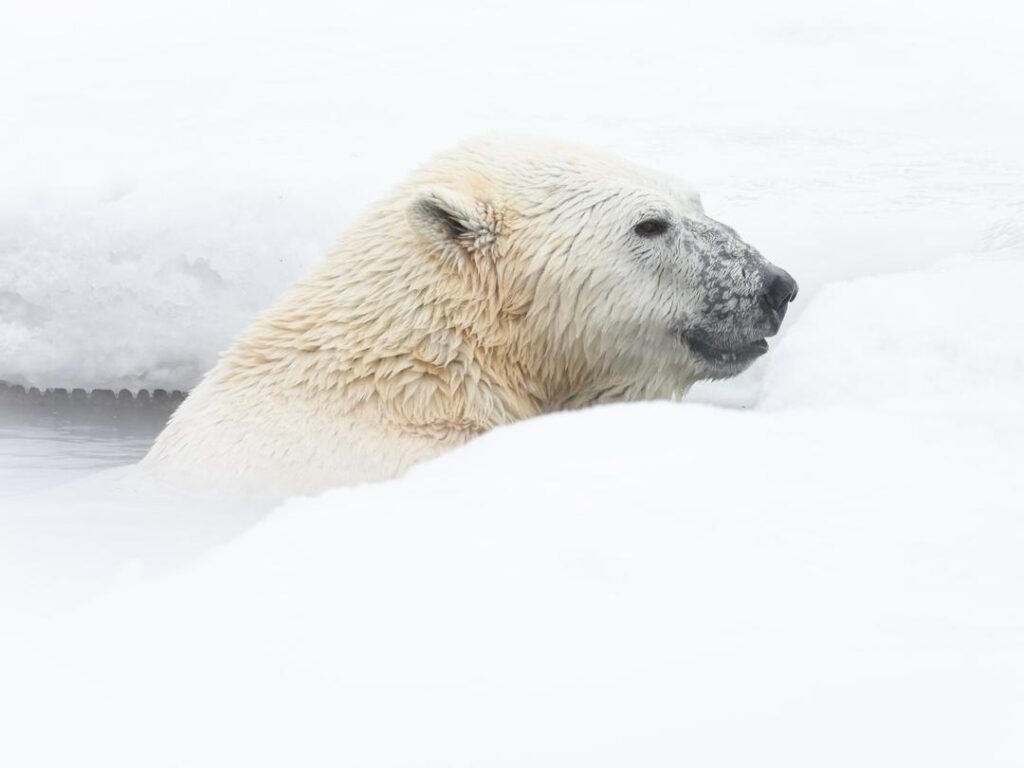


Host an event
Host your event at the zoo
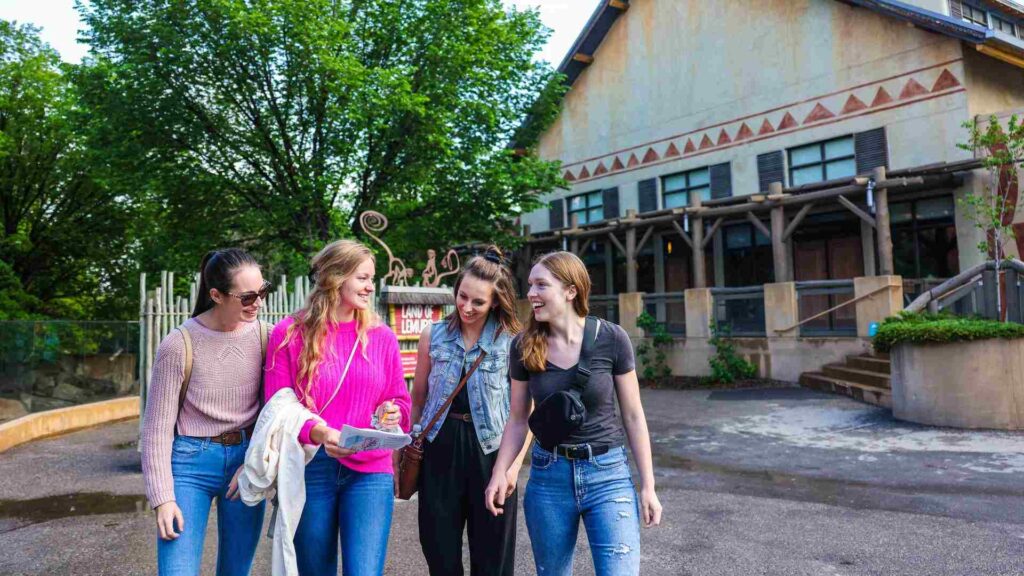
Wow your guests with one of the most unique locations in Calgary. From corporate events to holiday parties and weddings, we partner with you to create remarkable events.
Care & Conservation
Our Approach
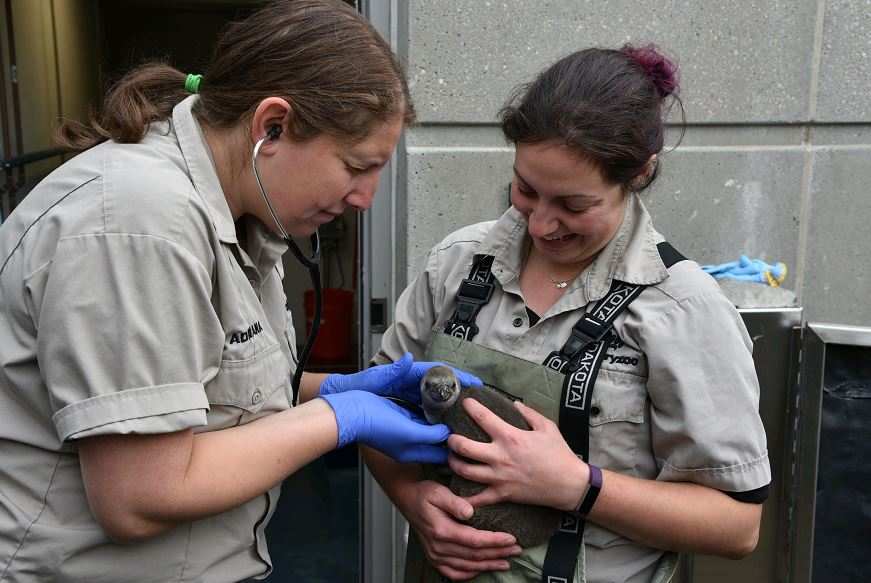
We’re not just a zoo – we’re a conservation organization committed to making the world a wilder place.
The Wilder Institute
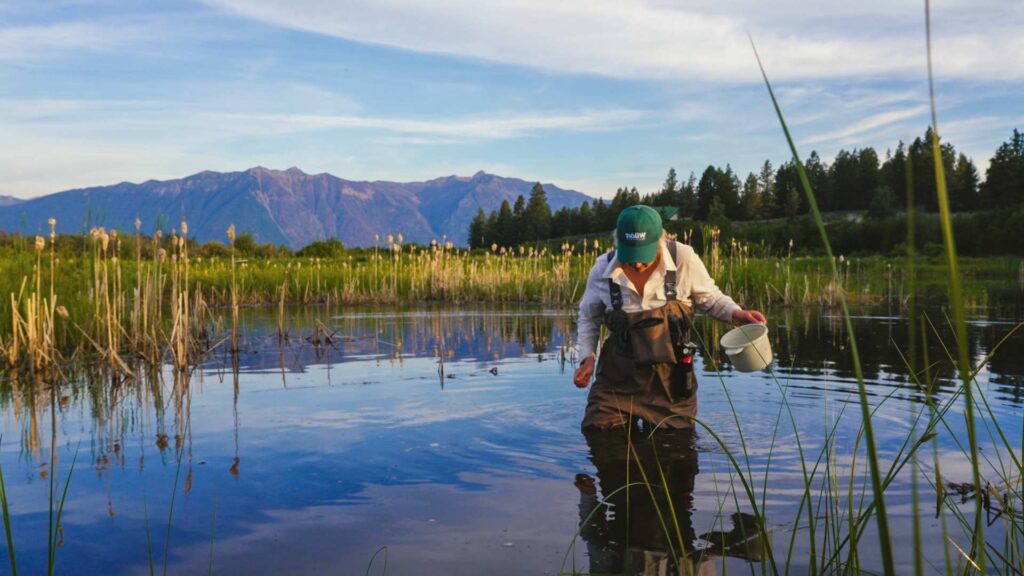
Let’s make the world a little wilder
The animals we care for aren’t only in the zoo. As a global authority on wildlife conservation, our efforts extend across Canada and around the world.